다카이치 총리의 승부수와 흔들리는 글로벌 금융시장

2026년 1월, 글로벌 외환시장의 시선이 다시 일본으로 향하고 있다. 한동안 약세를 이어가던 엔화가 갑작스럽게 급등했고, 그 배경에는 일본 정부의 강력한 메시지와 정치적 계산이 숨어 있다. 단순한 환율 변동이 아니라 정책, 선거, 중앙은행의 독립성까지 얽힌 복합적인 이슈다.

엔화 급등, 우연이 아니다
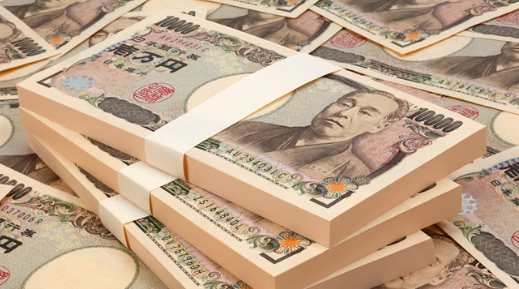
최근 엔화는 달러당 160엔 선까지 약세를 보이다가 단숨에 반등했다. 시장에서는 이를 단순한 기술적 반등으로 보지 않는다. 뉴욕 연방준비은행(Fed)의 금리 관련 발언 이후, 미국과 일본의 공동 외환시장 개입 가능성이 거론되며 투기 세력이 급격히 포지션을 정리했기 때문이다.
이런 상황에서 다카이치 사나에 일본 총리는 “비정상적이고 투기적인 시장 움직임에 대해서는 필요한 조치를 취할 것”이라며 강경한 입장을 내놓았다. 구체적인 개입 시점이나 방법은 언급하지 않았지만, 이 한마디만으로도 시장은 즉각 반응했다.
문제의 핵심: 확장 재정 + 느린 금리 인상
현재 일본 시장을 흔드는 가장 큰 요인은 확장적 재정정책이다. 다카이치 총리는 물가 상승으로 고통받는 가계를 지원하기 위해 식품에 대한 소비세(8%)를 2년간 유예하겠다고 공언했다. 표면적으로는 민생 대책이지만, 시장은 다른 부분을 걱정한다.
✔ 재정 지출 확대
✔ 추가 국채 발행 가능성
✔ 인플레이션 압력
✔ 장기 금리 급등
실제로 일본 국채 수익률은 빠르게 상승했고, 채권 가격은 급락했다. 이는 일본이 세계 최대 수준의 공공부채를 안고 있다는 점에서 상당히 민감한 문제다.

중앙은행의 선택, 그리고 위험한 카드
일본은행(BOJ)의 우에다 가즈오 총재는 “필요하다면 긴급 국채 매입도 포함해 정부와 협력할 준비가 되어 있다”고 밝혔다. 이는 시장 안정에는 도움이 될 수 있지만, 또 다른 논란을 낳고 있다.
일부 야당에서는
- 일본은행이 보유한 **ETF(상장지수펀드)**를 매각하거나
- 외환시장 개입을 위해 마련된 외환보유고를 활용해
감세 재원을 마련하자고 주장한다.
하지만 집권 연립정부 내부에서는 신중론이 우세하다. 일본은행 자산을 정부 재정에 직접 활용할 경우, 중앙은행의 독립성 훼손, 엔화 추가 약세, 장기 금리 상승이라는 부작용이 발생할 수 있기 때문이다.
미국의 시선도 부담이다
미국 재무장관 스콧 베센트 역시 이 사안을 예의주시하고 있다. 그는 “일본 국채 수익률 상승을 단순히 외부 요인으로만 해석하기는 어렵다”며 사실상 일본 정부의 정책 방향에 우려를 표했다.
미국 입장에서는 엔화 급변이 글로벌 금융시장 변동성을 키울 수 있고, 미·일 간 환율 갈등으로 번질 가능성도 배제할 수 없다.

이번 선거, 환율이 핵심 이슈가 되다
다카이치 총리는 2월 8일 조기 총선을 결정했다. 그만큼 지금의 정책 선택이 정치적 승부수라는 의미다. 환율 안정과 물가 억제에 성공한다면 강력한 리더십을 입증할 수 있지만, 반대로 시장 불안을 키운다면 부담은 고스란히 선거 결과로 돌아온다.
지금 일본 시장은 단순한 경제 이슈가 아니라,
👉 정치 + 통화정책 + 글로벌 자본 흐름이 동시에 충돌하는 국면에 들어섰다.
엔화 급등은 끝이 아니라 시작일 수 있다. 앞으로 일본 정부가 실제로 어떤 카드를 꺼낼지, 그리고 그 선택이 글로벌 금융시장에 어떤 파장을 남길지 주목해야 할 시점이다.
Why the Japanese Yen Suddenly Surged
Prime Minister Takaichi’s High-Stakes Gamble Shakes Global Markets
In late January 2026, global financial markets turned their attention back to Japan. After weeks of steady weakness, the Japanese yen suddenly surged, catching traders off guard and reigniting speculation about government intervention. This move was not a random fluctuation—it was the result of political strategy, market psychology, and growing concerns over Japan’s economic direction.
At the center of the storm is Prime Minister Sanae Takaichi, whose expansionary fiscal stance and bold campaign promises have unsettled bond and currency markets alike.
A Market Move That Changed the Narrative
The yen had been sliding toward the psychologically important level of 160 per dollar, pressured by expectations that Japan would maintain loose monetary policy while expanding fiscal spending. Then, almost overnight, the trend reversed. Following comments linked to U.S. Federal Reserve rate discussions, the yen jumped sharply, forcing investors to reassess their positions.
Many traders interpreted the move as a warning shot. The possibility of coordinated action between Japan and the United States—aimed at curbing excessive yen weakness—suddenly felt real. In currency markets, perception alone can be enough to trigger dramatic reversals.
Fiscal Expansion Meets Market Anxiety
Prime Minister Takaichi has made economic relief a cornerstone of her political strategy. Facing rising living costs, she pledged to suspend Japan’s 8% consumption tax on food for two years. While popular with voters, the proposal raised red flags among investors.
Markets fear that tax cuts combined with large-scale spending will require additional government bond issuance. Japan already carries one of the largest public debt burdens in the world, and higher borrowing needs have pushed government bond yields sharply upward. As yields rise, bond prices fall—fueling further instability.
This combination of fiscal expansion and rising yields has become a major headache for policymakers, especially as inflation risks remain elevated.
The Central Bank Dilemma
The Bank of Japan now finds itself in a difficult position. Governor Kazuo Ueda has signaled readiness to cooperate closely with the government, including the possibility of emergency bond purchases if market conditions worsen. While such measures may calm markets in the short term, they risk reigniting concerns about monetary discipline.
Adding to the controversy, opposition parties have floated the idea of using the Bank of Japan’s massive ETF holdings or foreign exchange reserves to fund tax cuts. Critics warn that this could undermine central bank independence, weaken the yen further, and push long-term interest rates even higher.
Pressure From Abroad
Japan’s market turbulence has not gone unnoticed in Washington. U.S. Treasury Secretary Scott Bessent has publicly acknowledged the difficulty of separating global factors from Japan’s domestic policy choices. His comments reflect growing unease that sharp moves in the yen could spill over into global markets and disrupt financial stability.
For Japan, managing its currency is no longer just a domestic issue—it is a matter of international coordination and credibility.
An Election Shaped by the Yen
With a snap election scheduled for February 8, market stability has become a defining political issue. For Prime Minister Takaichi, success could cement her leadership and validate her economic vision. Failure, however, could turn currency volatility and rising yields into a powerful liability at the ballot box.
The recent surge in the yen may only be the opening chapter. Whether Japan chooses direct intervention, verbal warnings, or unconventional financial measures, the outcome will ripple far beyond its borders. In today’s interconnected markets, Japan’s next move could set the tone for global currency dynamics in 2026.
'WORLD NEWS' 카테고리의 다른 글
| 금값 5000달러 돌파, 세계가 금으로 도망친 이유 (0) | 2026.01.26 |
|---|---|
| 1억7천만 명 영향권… ‘겨울 폭풍 펀’이 드러낸 미국 전력망의 치명적 약점 (2) | 2026.01.25 |
| 러시아-우크라이나 전쟁, ‘영토’에서 막힌 평화협상… 아부다비 회담의 진짜 쟁점 (3) | 2026.01.24 |
| 유럽 방산주의 폭발적 데뷔 (3) | 2026.01.24 |
| 일본은행 결정 앞두고 아시아 증시 상승… 금리는 멈추고 시장은 움직였다 (1) | 2026.01.23 |


댓글